How to Create AI-Generated Stories
Ever felt that spark of a story idea, only to be stopped by a blank page? You’re not alone. Writer’s block is a timeless challenge, but today’s authors have a new, powerful ally: Artificial Intelligence. Welcome to the world of AI-generated stories, where your creativity is amplified by cutting-edge technology.
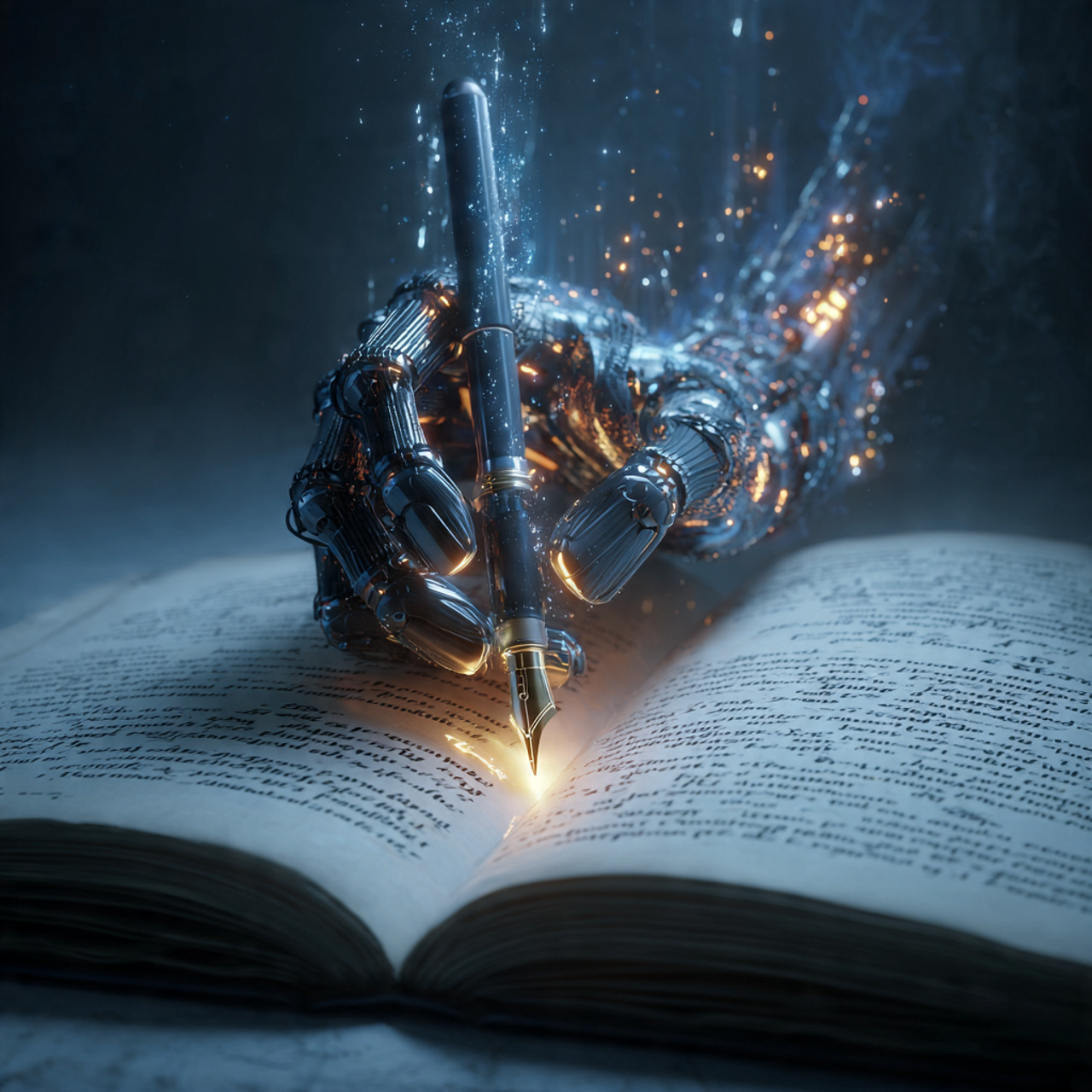
This isn’t about letting a robot write your novel. It’s about a partnership. Think of AI as a co-pilot for your creative journey—an assistant that can brainstorm plots, develop characters, and help you navigate the complexities of narrative creation. This guide will walk you through everything you need to know to start writing with AI, from choosing the right tools to mastering the art of the prompt.
Choosing Your AI Story Generator
The first step is finding the right tool for your needs. The market for AI writing assistants is booming, with options for every type of writer.
- For the Curious Beginner: If you’re just starting, look for tools with user-friendly interfaces and generous free plans. Platforms like Story-AI are designed to get you writing quickly without a steep learning curve.
- For the Ambitious Novelist: Working on a longer piece of fiction? You’ll want a tool with robust features. Sudowrite and Quill Pilot AI are excellent choices, offering features like story bibles, character development modules, and advanced editing capabilities to help you manage a complex narrative.
- For the Genre Specialist: If you write in a specific genre like fantasy or sci-fi, some tools are tailored for you. Dreamgen and other similar platforms can help you with world-building and adhere to the conventions of your chosen genre.
- For the All-Rounder: General-purpose AI models are incredibly versatile. They can assist with everything from writing dialogue to drafting a query letter.
When comparing tools, consider the quality of the story generation, the pricing, ease of use, and the level of customization available.
The Art of the Prompt: How to Talk to Your AI
The quality of your AI-generated story depends almost entirely on the quality of your prompts. A vague prompt leads to a generic story. A specific, well-crafted prompt can produce truly remarkable results. Think of it as giving directions—the more detailed you are, the better the outcome.
Elements of an Effective Story Prompt:
- Be Specific: Instead of “write a fantasy story,” try “Write a fantasy story about a young elf who discovers a hidden power while trying to save her forest from a mysterious blight.”
- Define the Tone: Add words that set the mood. For example, “Write a humorous and lighthearted fantasy story…”
- Provide Structure: You can ask the AI to follow a specific narrative structure, like the three-act structure or the hero’s journey.
- Use Role-Playing: Start your prompt by telling the AI what role to take. For instance, “Act as a bestselling fantasy novelist and write the opening chapter of a new book.”
By mastering prompt engineering, you can guide your AI writing assistant to produce content that aligns perfectly with your vision.
The Creative Process: A Step-by-Step Guide to Writing with AI
So, how does this all come together? Here’s a step-by-step guide to the creative process.
- Brainstorming and Idea Generation: Feeling stuck? Use your AI to generate a list of “what ifs.” For example: “What if a detective in 1940s Los Angeles had to solve a crime involving a time traveler?”
- Outlining Your Story: Once you have an idea, use the AI to create a structured outline. This will serve as the roadmap for your story, ensuring it has a clear beginning, middle, and end.
- Writing the First Draft: Now it’s time to write. You can generate entire scenes, write dialogue between characters, or ask for descriptive passages to bring your world to life.
- Editing and Refining: This is where the human-AI partnership truly shines. The AI can provide a solid first draft, but it’s your job to add the human touch. Refine the prose, deepen the emotional impact, and ensure the story has a unique voice. You can also use AI to check for plot holes and improve the overall flow.
Best Practices for AI-Assisted Storytelling
To get the most out of your AI story generator, keep these tips in mind:
- You Are the Author: Always remember that the AI is a tool. You are the creative force behind the story. Blend AI-generated text with your own writing to create a seamless and original work.
- Use It for Specific Tasks: AI is excellent for specific, targeted tasks. Use it for world-building, creating character backstories, or generating dialogue when you’re feeling stuck.
- Understand the Ethics: Be aware of the terms of service of any tool you use, especially regarding content ownership. The goal is to create something new and original, not to simply pass off AI-generated text as your own.
The Next Chapter in Storytelling
The rise of AI in creative writing is one of the most exciting developments in modern literature. By embracing these tools, you can break through creative barriers, accelerate your writing process, and bring your most ambitious ideas to life. The future of storytelling is a collaboration between human creativity and artificial intelligence, and your next great story is waiting to be written.